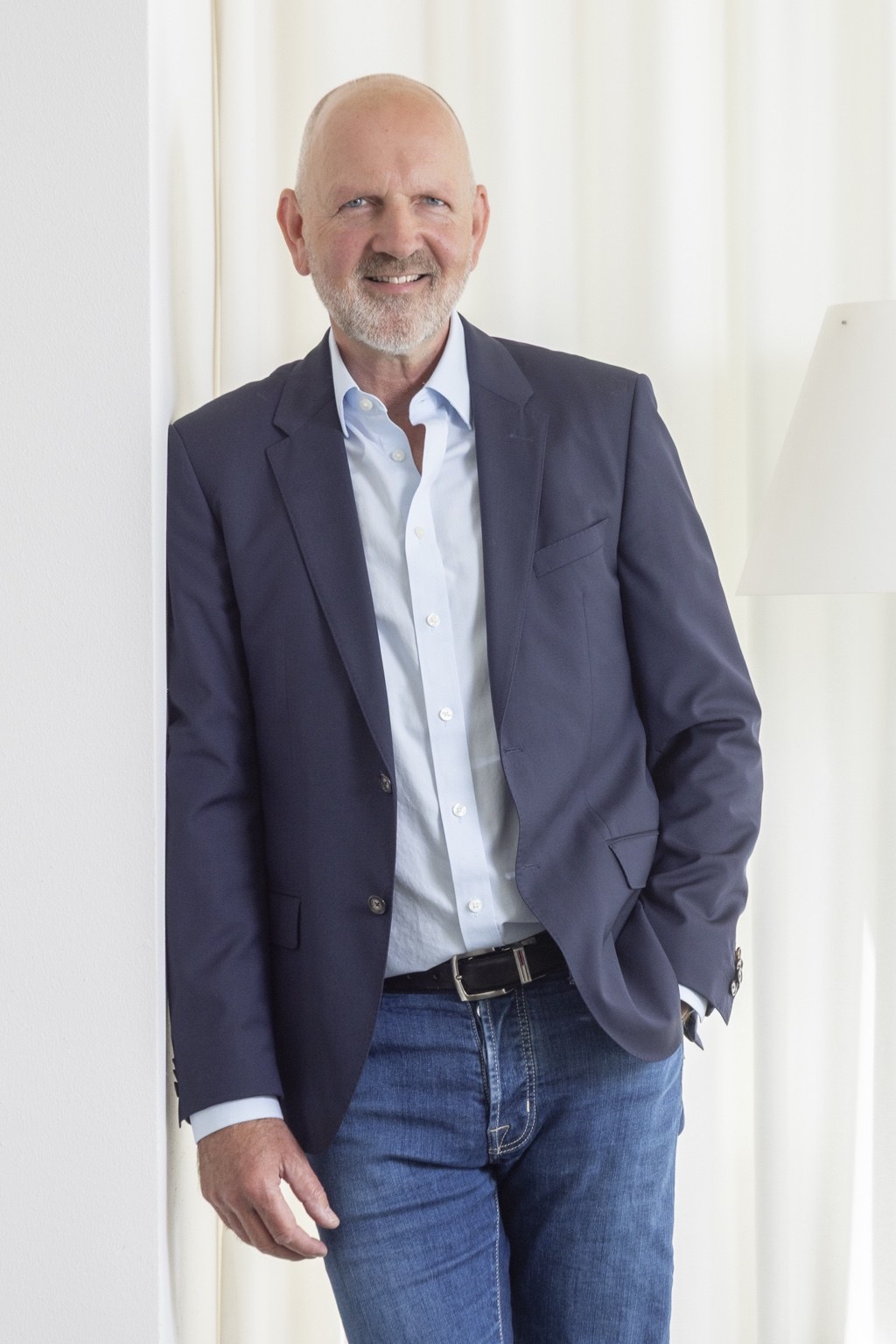
I have seen what happens when a company owns the category.
And what happens when it does not.
Mercury Interactive. ServiceNow. Snowflake. Tanium. Quantexa.
I have worked directly with Christopher Lochhead and Eddie Yoon of Category Pirates and contributed to Creator Capitalist, their 2026 book. I am also a Certified Category Designer through Category Pirates’ Category Design Academy.
During my years at ServiceNow and Snowflake, I worked directly with Frank Slootman at key moments - then CEO at ServiceNow and later CEO at Snowflake - and saw his operating discipline up close: simplify the direction, raise the standard, hold position under pressure, and keep execution tied to strategy. Those lessons still shape how I work with companies today.
Same teams. Same execution.
Different category. Different outcomes.
The problem is rarely execution. Companies lose because they commit to the wrong problem, build inside a category they do not control, and keep executing as if effort will solve the frame. It will not.
More execution only accelerates the mistake.
Frame. Name. Claim.
Category is global. GTM is local. Europe exposes whether the frame really works - across countries, languages, buyers, partners, procurement models and risk cultures. That is why EMEA matters. It is not just a region to scale into. It is where weak category thinking becomes visible.
I work with founders, CEOs, boards, investors and GTM leaders of software, AI and data platform companies when something is off but not yet clear.
The product is strong, but the market does not know where to place it. Deals take longer than they should. The company is compared in the wrong way. Investors ask questions that should have sharper answers. Sales, marketing, product and leadership explain the company differently.
That usually looks like a sales or marketing problem. It is often a category problem.
I help leadership decide which problem the company truly owns, which category it should lead, and why it should be seen as the logical choice.
When a company engages Venturoxx, the work is done by Richard Poolman. Not passed to junior consultants. Not expanded into a consulting team. Not turned into a long programme because the scope allows it.
No theatre. No bloated recommendation decks. No months of analysis before the obvious is said. The work is designed to produce concrete recommendations the leadership team can use immediately.
Where short follow-up guidance is needed, it is there to prevent drift and protect the position - not to create dependency.
Across three decades in enterprise software, I joined category-defining companies while they were still scaling into Europe, before the market fully understood what they would become. They were ambitious companies entering new markets, building trust, educating buyers, creating partner ecosystems, and turning early traction into repeatable revenue.
I have worked across large enterprise deals, strategic pursuits and critical programmes involving major accounts such as Shell, ING, Nestlé and Deutsche Bank - often in complex buying environments where executive access, partner alignment and category clarity determined whether momentum was created or lost.
I have worked with partner ecosystems around Deloitte, BCG, PwC, KPMG, EY, Accenture and Capgemini.
I have also built my own company, invested in startups, worked closely with business angels, investors and VC funds, and operated as a co-founder, managing director and interim leader.
On that side of the table, you learn quickly that wrong assumptions about market, capital, trust and direction have immediate consequences.
The founder feels urgency.
The investor sees risk.
The board sees vulnerability.
The sales leader sees friction.
The market sees comparison.
Venturoxx exists at the intersection of those views. It brings operating judgement to the category decisions companies cannot afford to get wrong.
AI increases speed. It does not replace judgment about what to build, how to frame it, who to reach first, and what category to own.
Based in the Netherlands. Working with founders, CEOs, boards and investors across EMEA and the US.
Be Different.
Category first. GTM second. Execution third.